Get Residential Tree Service
Residential Tree Service providers handle tree trimming, removal, pruning, and health care to address safety, property damage, and aesthetic concerns for homeowners.
Property owners exploring residential tree services often seek professional assistance for a variety of practical reasons. Whether planning to remove hazardous trees, prune for health and aesthetics, or ensure safety around the property, connecting with experienced local contractors can help achieve these goals effectively. Evaluating different service providers allows property owners to find the right expertise for their specific needs, ensuring the job is handled properly and efficiently.
This is a helpful starting point for those looking to compare options and gather information about available services in the area. Local contractors can provide tailored solutions that address the unique characteristics of each property, making it easier to plan projects with confidence. Continuing to explore your options can lead to finding the right professionals to assist with your residential tree care needs.
- Tree Trimming - needed when trees have overgrown branches that pose a risk to property or safety.
- Tree Removal - required when trees are dead, diseased, or causing obstructions that cannot be managed through pruning.
- Stump Grinding - necessary after tree removal to eliminate unsightly or hazardous stumps from the yard.
- Emergency Tree Services - needed when storms or high winds cause trees or limbs to fall unexpectedly.
- Cabling and Bracing - used to support weak or structurally compromised trees to prevent potential failure.
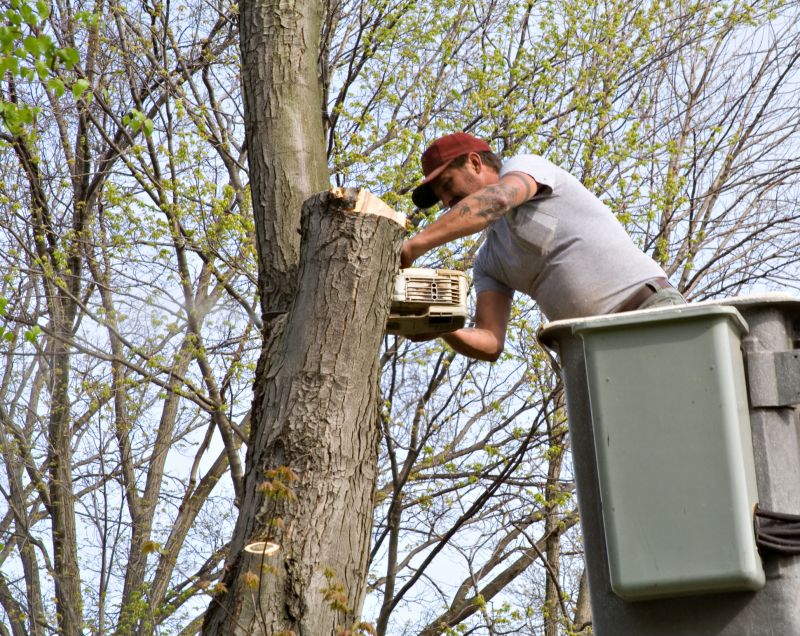
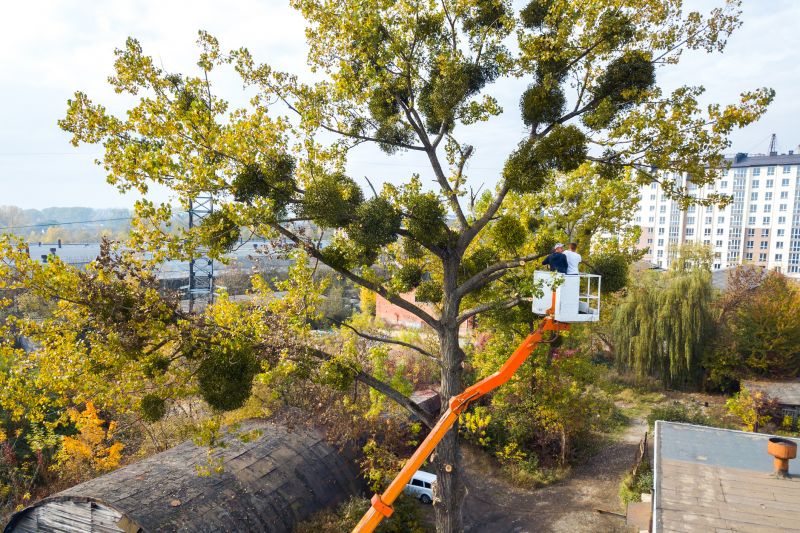
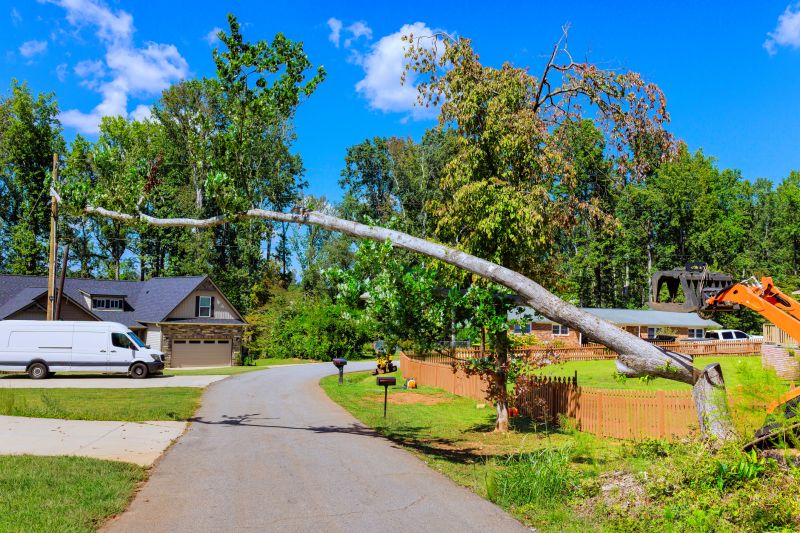
Residential tree service encompasses a range of professional work focused on maintaining, removing, and caring for trees on private properties. These services typically include pruning to promote healthy growth, trimming to shape trees and remove dead or hazardous branches, and complete tree removal when a tree is dead, diseased, or poses a safety risk. Service providers may also offer stump grinding and removal to eliminate unsightly or problematic stumps after trees are taken down. The goal is to help homeowners manage their trees effectively, ensuring they remain safe, healthy, and visually appealing.
Many common problems lead homeowners to seek residential tree services. Overgrown branches can interfere with power lines, roofs, or walkways, creating hazards or potential damage. Diseased or dying trees can become unstable and fall unexpectedly, risking injury or property damage. Additionally, trees with structural issues or those that are improperly located can pose safety concerns or obstruct views and sunlight. Regular maintenance helps address these issues early, preventing more costly repairs or dangerous situations down the line.
Residential properties that typically use tree services include single-family homes, townhouses, and small multi-unit complexes. These properties often have mature trees that require ongoing care or removal. Front and backyard trees, especially those near structures or utility lines, benefit from professional pruning and maintenance to keep them healthy and safe. Larger properties, such as estate grounds or community parks, may also need extensive tree management services to maintain their landscape and ensure safety for residents and visitors.
Homeowners may need to consider tree services when they notice signs of trouble, such as dead branches, leaning trees, or cracks in the trunk. Storm damage or severe weather can also leave trees in dangerous conditions, making professional assessment and work essential. Whether it’s removing a hazardous tree, pruning for health, or clearing space for new landscaping, local contractors can provide the expertise needed to handle these tasks efficiently. Connecting with experienced service providers ensures that tree care is performed safely and correctly, helping to keep residential properties safe and attractive.
The overview below groups typical Residential Tree Service projects into broad ranges so you can see how smaller, mid-sized, and larger jobs often compare in your area.
In many markets, a large share of routine jobs stays in the lower and middle ranges, while only a smaller percentage of projects moves into the highest bands when the work is more complex or site conditions are harder than average.
Small Tree Trimming - Typical costs range from $150-$400 for routine trimming of smaller trees. Many projects fall within this middle range, with fewer jobs reaching the higher end for larger or more complex trees.
Large Tree Removal - Removing a mature, sizable tree can cost between $1,000-$3,000, depending on the size and location. Larger, more intricate removals may exceed this range, but most projects stay within the mid-tier estimates.
Stump Grinding - Stump removal services generally cost between $100-$400 per stump. Many projects fall into this range, with more extensive stumps or multiple stumps pushing costs higher.
Full Tree Replacement - Replacing a tree can cost from $500-$2,500 or more, depending on the species and size. While routine jobs are often in the lower part of this range, larger or specialty trees can increase the overall cost.
Actual totals will depend on details like access to the work area, the scope of the project, and the materials selected, so use these as general starting points rather than exact figures.
Stump Grinding - local contractors who specialize in stump removal use similar tools and techniques as tree trimming to clear remaining stumps after tree removal.
Tree Pruning and Shaping - professionals skilled in pruning utilize comparable planning and equipment to maintain tree health and aesthetic appeal in residential landscapes.
Emergency Tree Care - local service providers capable of handling storm-damaged or hazardous trees employ similar safety procedures and tools as standard tree services.
Tree Planting and Transplanting - experts in planting and relocating trees use planning and equipment comparable to those used in mature tree maintenance and removal.
Land Clearing - contractors performing land clearing projects for residential properties utilize similar machinery and planning skills as those needed for large-scale tree removal.
Root Barrier Installation - specialists installing root barriers employ similar planning and excavation tools as used in other underground or tree-related projects.
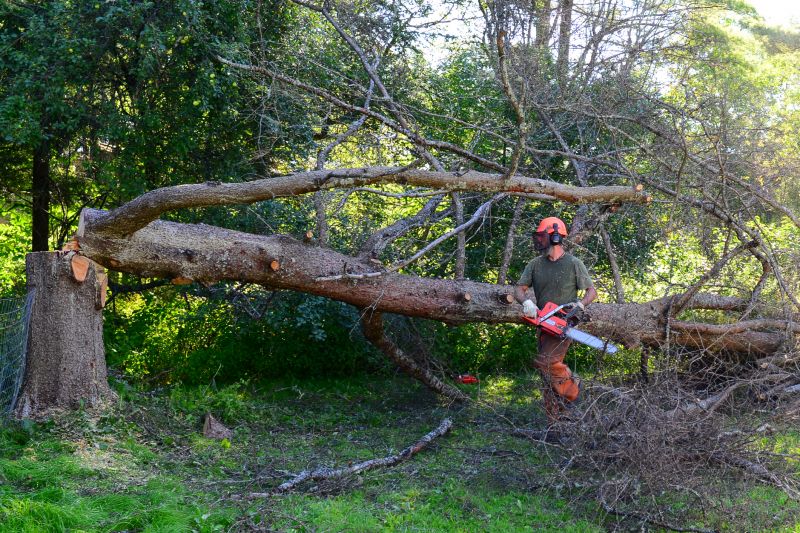
When evaluating potential service providers for residential tree work, it’s important to consider their experience with projects similar to your needs. A contractor’s background in handling trees of comparable size, species, or in similar landscape settings can provide insight into their familiarity with the specific challenges your property may present. Asking about previous work or reviewing their portfolio can help determine if they have the relevant expertise to manage your project effectively.
Clear, written expectations are essential for ensuring that both the homeowner and the service provider are aligned on the scope of work. This includes details such as the services to be performed, the procedures involved, and any preparations or considerations on the homeowner’s part. A reputable contractor will be transparent about what is included and will provide documentation that outlines these expectations, helping to prevent misunderstandings and ensuring that everyone is on the same page.
Good communication and reputable references are key indicators of a dependable local contractor. Service providers who are responsive and willing to share references from past clients can give confidence in their professionalism and reliability. Engaging with references or reviews can offer insights into the contractor’s work ethic, timeliness, and quality of service. Remember, the goal is to find a local pro who communicates clearly, listens to your concerns, and has a track record of satisfied customers, making the process smoother from start to finish.
Property owners use Residential Tree Service services for practical projects around their homes and businesses. This guide focuses on everyday jobs and straightforward project options.
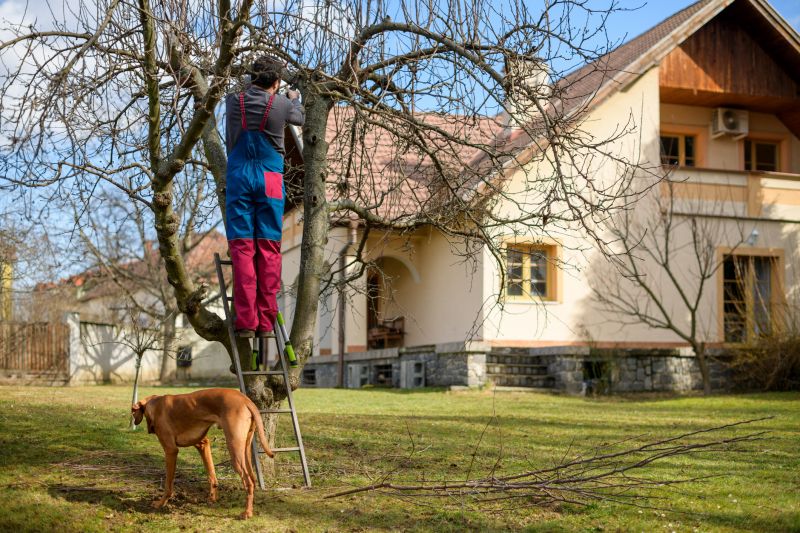
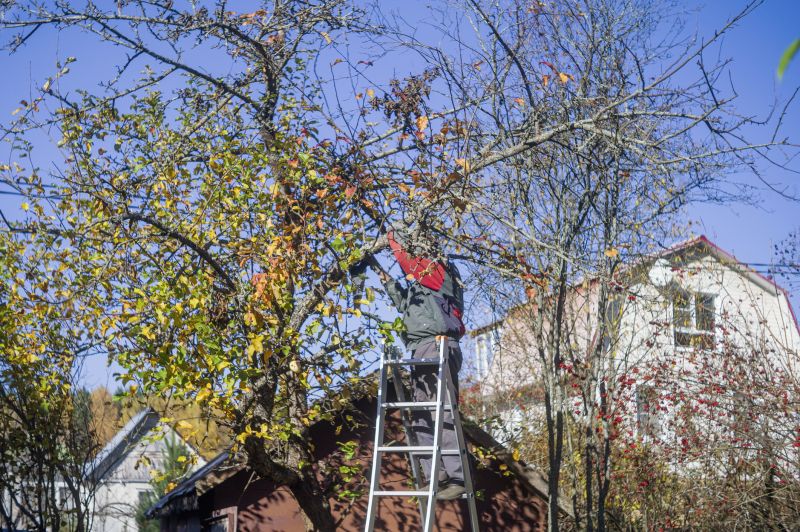
Residential tree service needs often arise from common situations such as overgrown branches threatening power lines or structures, fallen limbs after storms, or trees that have become unhealthy and pose safety concerns. Property owners may seek professional assistance to prune or remove trees to maintain a safe and attractive yard, prevent damage to property, or improve the overall landscape. Local contractors who specialize in tree services are equipped to handle these routine projects efficiently, helping homeowners keep their outdoor spaces safe and well-maintained.
In addition, property owners might look for tree services when preparing their land for new construction or landscaping projects, or when removing hazardous trees that could potentially fall. Whether addressing aesthetic concerns or safety issues, local service providers are available to assess and carry out the necessary work. Connecting with experienced contractors can ensure that tree-related projects are completed properly, supporting the ongoing safety and appearance of residential properties.
What types of residential tree services are available? Local contractors typically offer tree trimming, pruning, removal, and stump grinding services to maintain the health and safety of trees on residential properties.
How do I know if a tree needs to be removed? Signs that a tree may require removal include dead or dying branches, structural damage, disease, or if it poses a safety risk to the property or residents.
Can residential tree services help with overgrown or hazardous branches? Yes, professional service providers can perform targeted pruning and trimming to remove overgrown or potentially dangerous branches.
Are there any services for planting new trees? Some local contractors may offer planting services to help residents add new trees to their landscape, ensuring proper placement and care.
What should I consider before hiring a tree service provider? It’s important to verify that the provider has experience with residential trees, reviews their work, and ensures they follow safety and environmental standards.
Tree Trimming Services - Regular trimming helps maintain the shape of trees and prevents branches from interfering with power lines or structures.
Stump Removal Services - Removing stumps after tree removal can improve safety and make space for new landscaping or planting projects.
Emergency Tree Services - Local contractors can quickly address fallen or damaged trees caused by storms to protect property and ensure safety.
Tree Health Assessments - Professionals can evaluate the condition of trees to identify potential issues before they become costly problems.
If you are thinking about Residential Tree Service for a property, this guide is meant to help you understand the work, the typical project types, and how different options might fit your plans.
When you are ready, you can use the quote form on this page to share a few details about your project. From there, local pros can review the basics and respond with options that match what you have in mind.